Where do I begin?
Start with a professional home energy audit. Before installing panels, we identify "energy leaks" in your insulation or air ducts. Sealing these gaps first ensures your solar system is sized for maximum efficiency and the lowest possible upfront cost.
What is the average cost to install solar panels in Florida?
In 2026, the average cost for a residential solar system in Florida is $15,000 to $25,000 before incentives. There are other incentives including Net Metering that can effectively reduce your purchased power to near-zero, as well as other local incentives.
How do solar panels work?
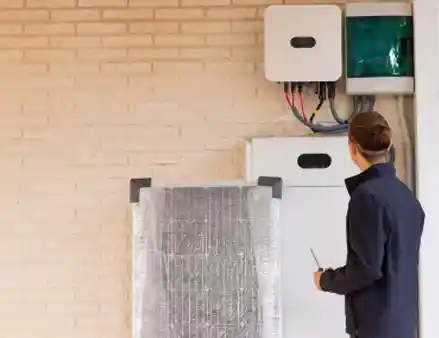
Solar panels convert sunlight into DC electricity, which an inverter then transforms into usable AC power for your home. Any energy your home doesn't use is either stored in a backup battery for night-time use or sent back to the grid for utility credits.
What does the solar panel installation process look like?
The size of your solar system depends on your monthly energy use, as well as site-specific factors like shading, sun hours, and panel orientation.
What is the average cost of installation?
The cost varies because Solar Bear customizes each system. Factors such as home size, lifestyle, and energy efficiency impact pricing. Many systems can cost the same or less than your current monthly utility bill.
Is solar financing available?
Yes, Solar Bear offers $0-down solar financing and PACE loans for Florida homeowners. Most customers find that their monthly solar loan payment is lower than their previous electric bill, creating immediate positive cash flow from month one. Solar leasing is also an option with Solar Bear.
How long do solar panels last?
Solar panels typically last between 25 to 30 years. Solar Bear also recommends home energy-saving upgrades to extend the life and performance of your panels.
How much can I save on my electric bill with a solar panel system?
Most Florida homeowners save 40% to 80% on their monthly electric bills. By combining high-efficiency panels with battery storage, you can bypass OUC's 2026 demand charges and protect your home from rising utility rates.
What is the difference between grid-tie and off-grid solar?
Grid-tie systems connect to the public utility grid and don’t require batteries. This is a cost-effective option if power lines are accessible. Off-grid systems are for locations without grid access and rely on batteries to store energy for later use.
Are there any solar incentives available for homeowners?
Yes! Floridians don’t pay sales or property tax on residential solar panels. Florida’s Solar and CHP Sales Tax Exemption saves you 6% in taxes. The Property Tax Abatement for Renewable Energy ensures your property taxes won’t increase due to your solar system’s added value.
- Florida Sales Tax Exemption: Save 6% immediately. Florida law exempts all qualifying solar equipment and energy storage - battery storage - from the state sales and use tax.
- Property Tax Abatement: Increase your home’s value, not your taxes. Florida law prohibits the value added by a solar and battery system from being included in your property tax assessment.
- OUC Battery Storage Rebate: Get a rebate of $150 per kWh of battery capacity (up to $2,000) when you add energy storage to your solar system.
Does solar increase the value of my home?
Yes. A study by the National Renewable Energy Laboratory found that solar-equipped homes sold for an average of 5-10% more, or $16,995 more than comparable properties. For a mid-sized home, this typically adds $24,000 to $36,000 in immediate resale value.
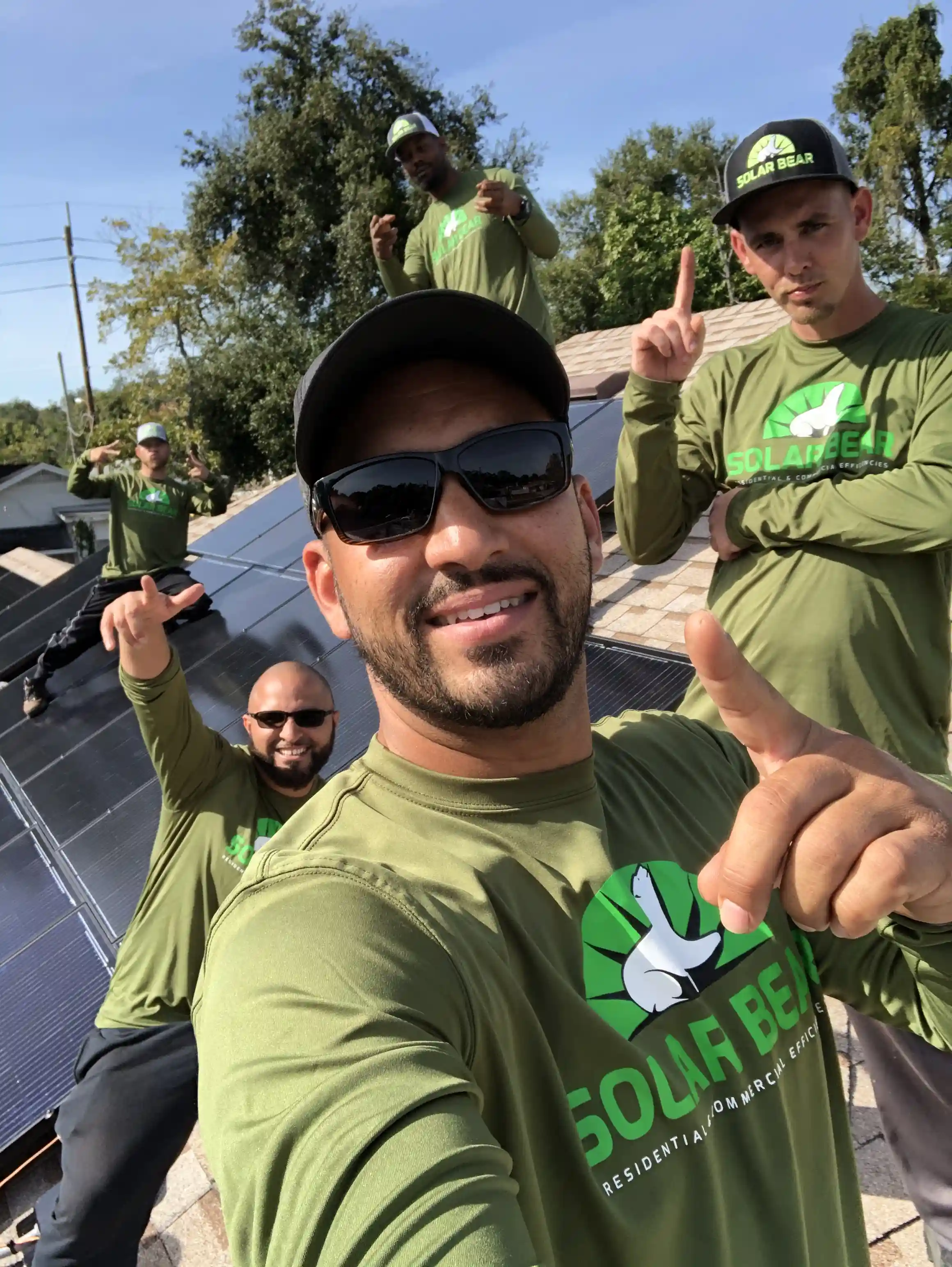
Solar Bear provides expert contracting services to help make your home more valuable and energy efficient. We specialize in solar energy and home efficiency solutions - your one-stop solar shop! Call us at (407) 530-0877 or contact us online to schedule your free estimate today!